
Look Forward, Grow Forward: 5 Cross-Border Lessons From My 25 Years at ProACT
Subscribe to our newsletter for the latest expatriate news, views & analysis.
Looking back over nearly 25 years of helping people move their lives, businesses, and wealth across borders at ProACT, I’ve noticed that the same patterns repeat. The cross-border world can be a compliance minefield if you don’t plan ahead, but over the decades, I've distilled the most critical pitfalls into five core lessons.
The Cyprus Shift and the S1 Lifeline
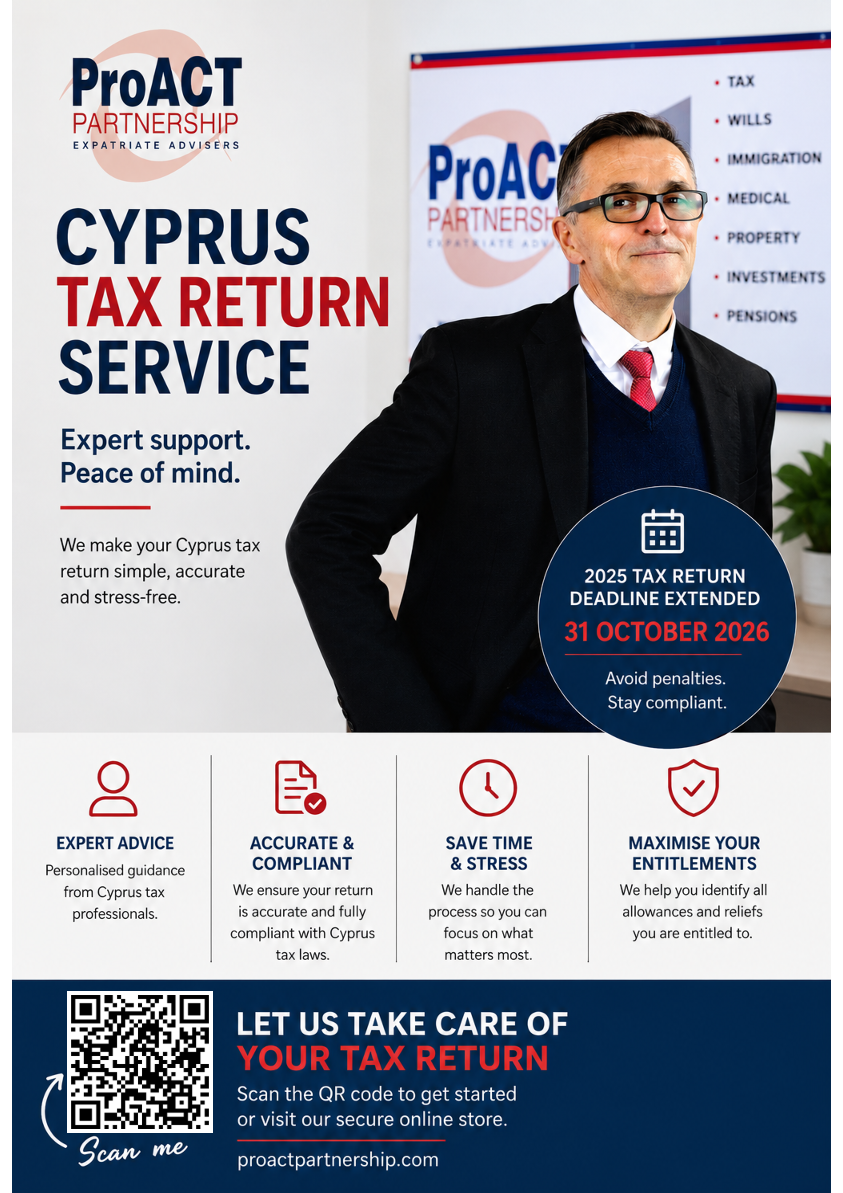
I frequently see retirees arrive in Cyprus, breathe in the Mediterranean air, and assume that because their income is modest, they have flown completely under the tax radar. I always have to break the news that Cyprus enforces a strict mandatory tax filing system for adult residents. It doesn’t matter if your income falls well below the standard personal tax-free threshold; the authorities still expect a return.
The real sting comes from GeSY, the national healthcare tax. This flat-rate percentage is levied on your worldwide income, meaning foreign dividends, rental revenue, and pensions are all fair game. However, my go-to strategy for UK state pensioners is the S1 form. By properly registering this document with the Cypriot authorities, you unlock a legal exemption that protects your UK state pension from the GeSY tax while ensuring it remains safely index-linked. It transforms a potential bureaucratic headache into a structured transition.
The Sticky Nature of UK Domicile
Back across the water, I constantly deal with expats who believe that once they physically leave the UK, they have severed all ties with HMRC. I always have to remind them that UK domicile is incredibly sticky. People frequently confuse tax residency with domicile; your domicile of origin is notoriously difficult to shed, and HMRC is perfectly content to wait in the wings, ready to slap a 40% Inheritance Tax bill on your worldwide estate because you remained British-domiciled in their eyes.
To make matters more complicated for the modern expat, the digital landscape has shifted dramatically. If you keep a UK rental property or run a small remote business, you are now caught in HMRC's digital dragnet. The rollout of Making Tax Digital means the old days of submitting a single annual self-assessment are gone. If you earn over the threshold, you are now legally required to file quarterly digital updates. Leaving the UK physically no longer means escaping its digital tax grid.
The Dangerous Myth of the Worldwide Will
Another massive misconception I fight daily is the myth of the "worldwide will." Clients proudly show me a single UK document, completely unaware of the forced heirship laws operating in continental Europe and other civil law jurisdictions. These local laws dictate exactly what percentage of your estate must pass to your spouse or children, completely overriding whatever your UK will might say.
To protect your wealth, I always advise maintaining distinct, localized wills for each specific country where you hold major assets like property or bank accounts. Furthermore, this isn’t a set-it-and-forget-it task. You need to review these documents every two years, because a poorly drafted update in one country can accidentally include a standard revocation clause that inadvertently nullifies your wills everywhere else.
The 183-Day Spreadsheet Illusion
When it comes to tax residency, I am constantly debunking the 183-day spreadsheet illusion. So many international nomads confidently tell me they are safe from local taxes simply because they spend fewer than 183 days in a country.
In reality, modern tax authorities look far past simple day counts to determine your Centre of Vital Interests. If you keep a home available for your use, if your family remains rooted in that country, or if you sit on local business boards, you can easily be deemed a tax resident in far less than half a year. Dual tax residency is a very real trap, and my solution is always to build a meticulously documented lifestyle evidence trail that proves where your life actually happens, rather than just relying on a calendar.
Are You a Roundy or a Squary?
Finally, I like to step away from strict tax law and look at the actual psychology of moving abroad. In my daily reflections, I often think back to a childhood analogy inspired by Roger Hargreaves’ classic stories, and I ask my clients a simple question: Are you a Roundy or a Squary?
"Squaries" are the individuals who arrive abroad looking for rigid boxes. They get deeply frustrated by changing cross-border regulations, fight against local bureaucracies, and become paralyzed by the fear of stepping out of their comfort zones. "Roundies," on the other hand, accept that the world is constantly in motion. They understand that regulations adapt, borders shift, and flexibility is the ultimate currency of expat life.
My ultimate advice after a quarter-century on the ground is that true freedom abroad doesn’t come from finding a permanent loophole to stand perfectly still. It comes from adopting the mindset of a Roundy—training your intuition, breaking old habits, and choosing to roll with the compliance curveballs rather than being crushed by them.

Need help & guidance?
Contact us or book a free review with one of our expat experts today.
Track your residency
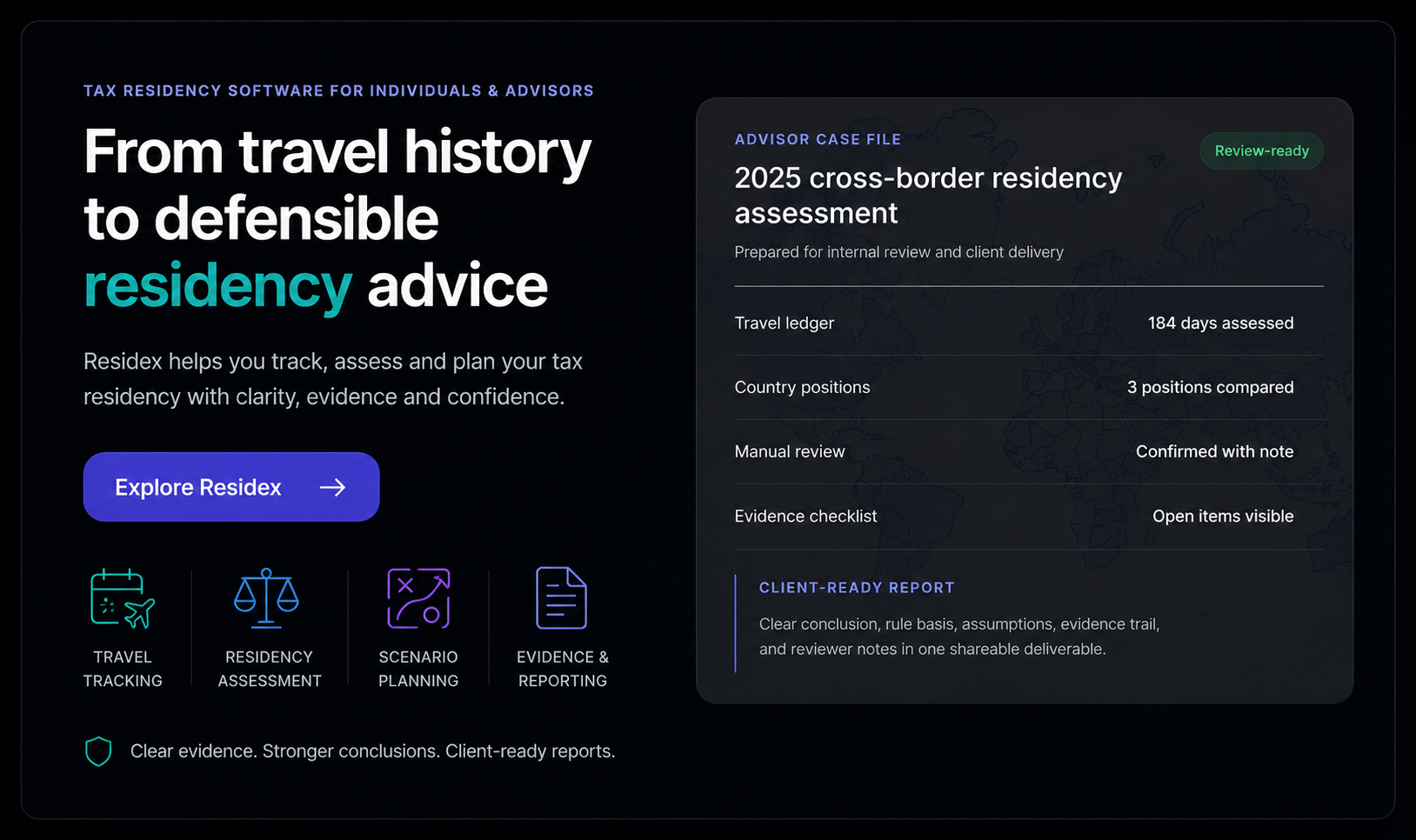
Residex helps you track, assess and plan your tax residency with clarity, evidence & confidence.